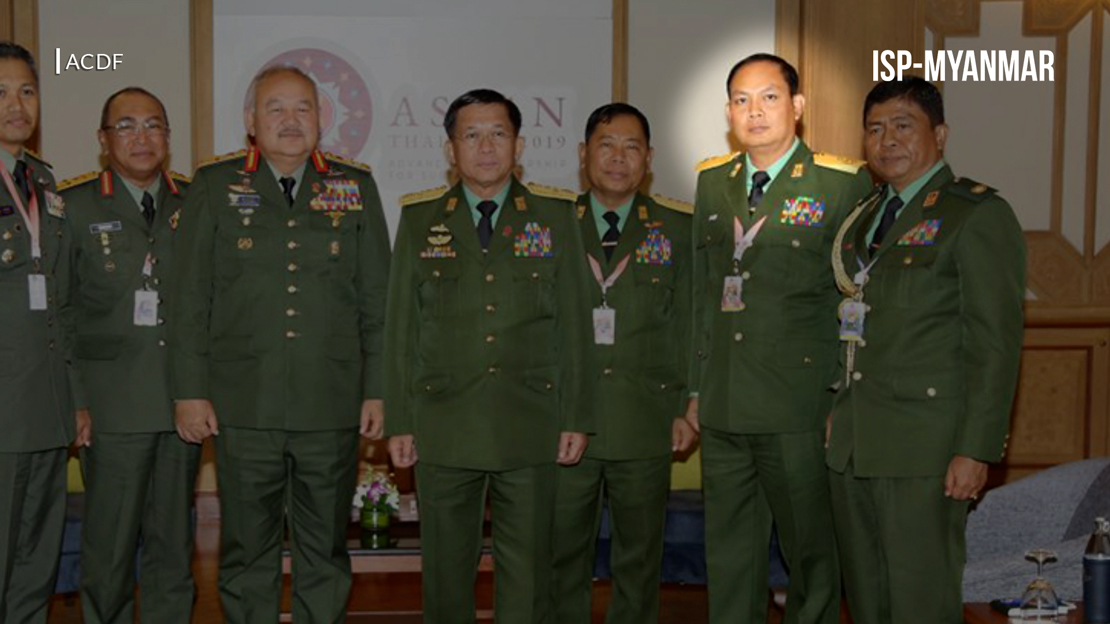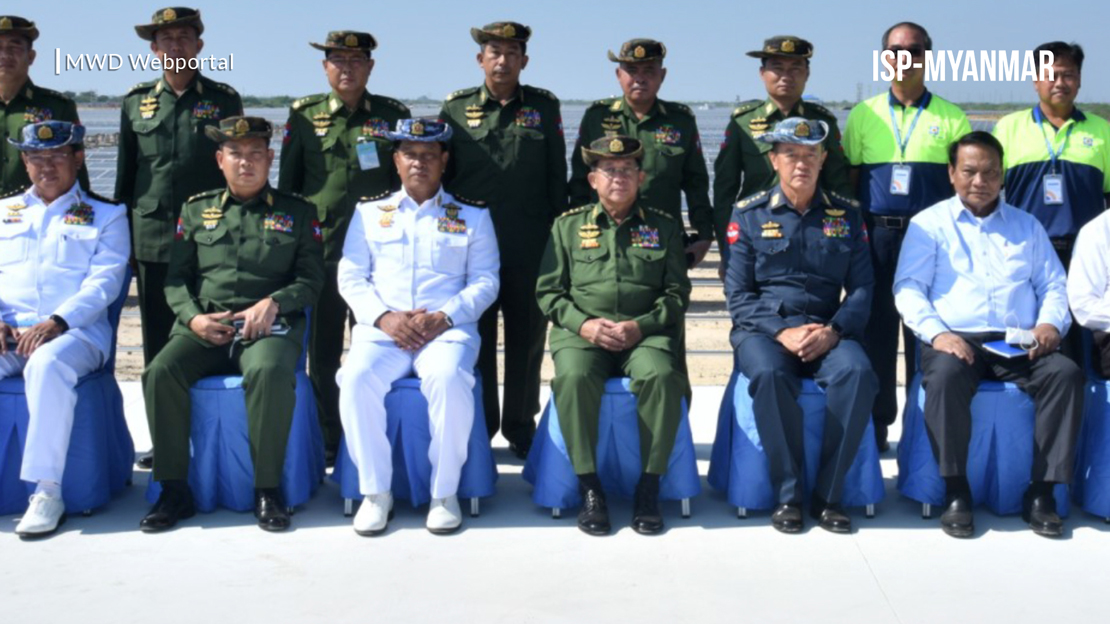
Along with its “100-day plan,” the Min Aung Hlaing administration has repeatedly proclaimed that it will accelerate national development, including peace and economic recovery.
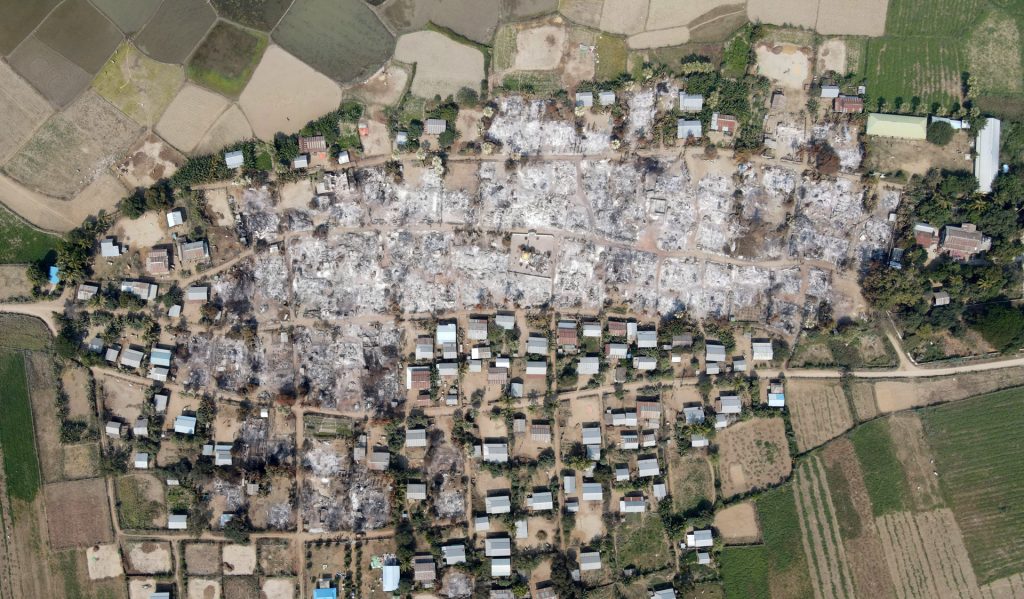
When people face such dire situations, they initially voice their dissatisfaction and protest (“Voice”). When that fails to bring change, they simply abandon the region and leave (“Exit”). If they cannot leave, they are forced to silently endure and adapt to the system (“Loyalty”). Like vegetables thrown into a jar of pickles, they turn sour alongside everything else—doing whatever it takes, chasing the money, and simply surviving.
Myanmar continues to rank among the top suppliers of rare earths to China, accounting for more than half of China’s rare earth imports from abroad. In the first nine months of this year (up to September 2025), Myanmar’s rare earth exports to China were valued at USD 624 million. However, this marks a decline compared with the same period last year.
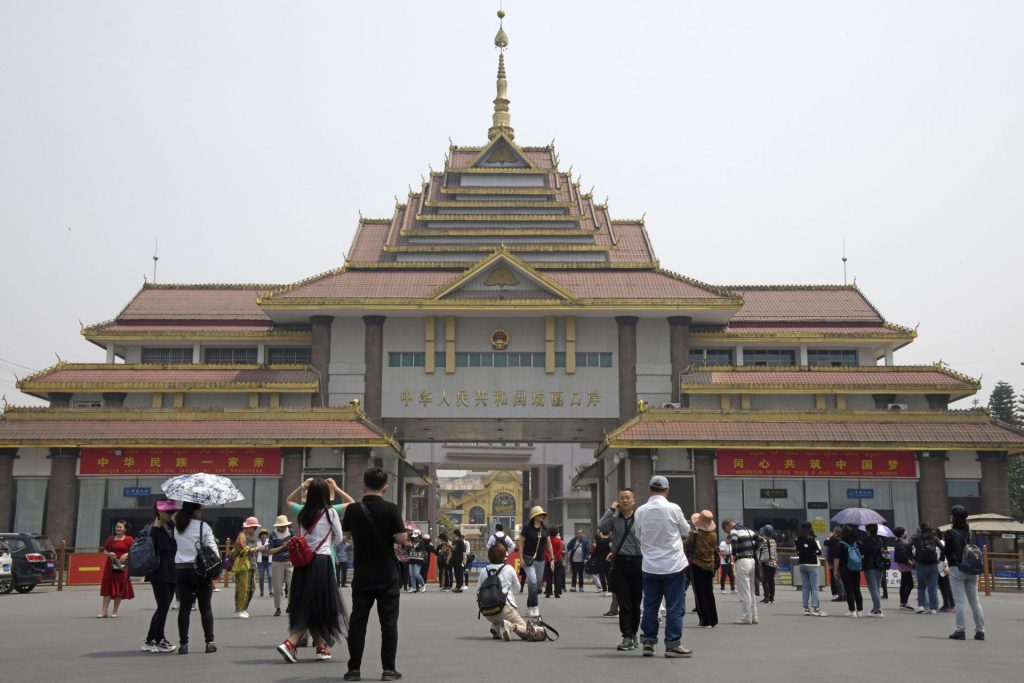
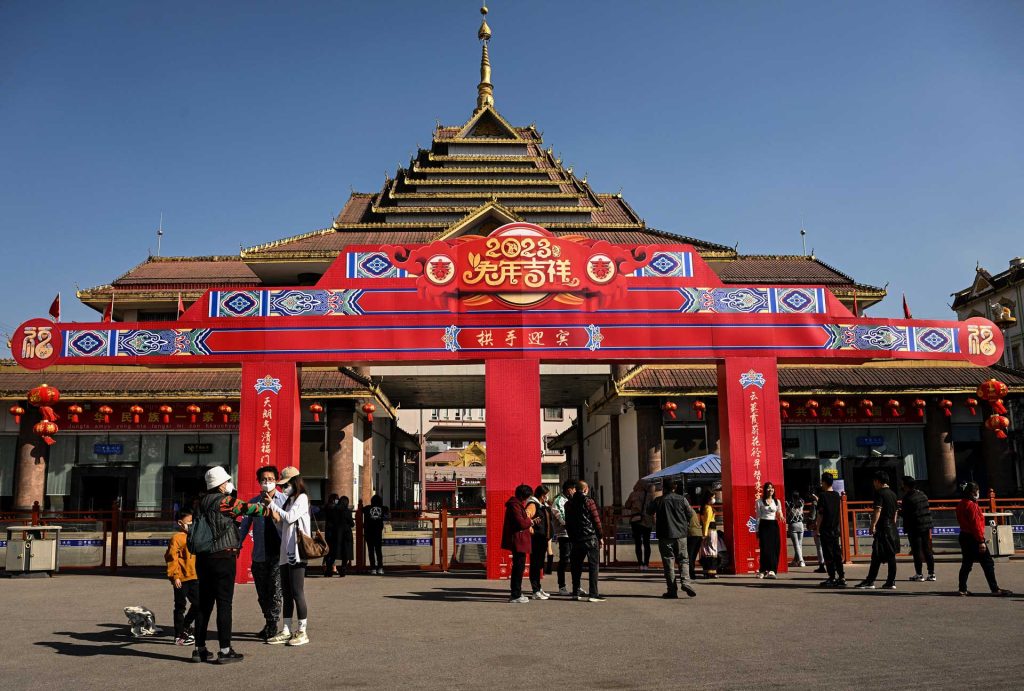
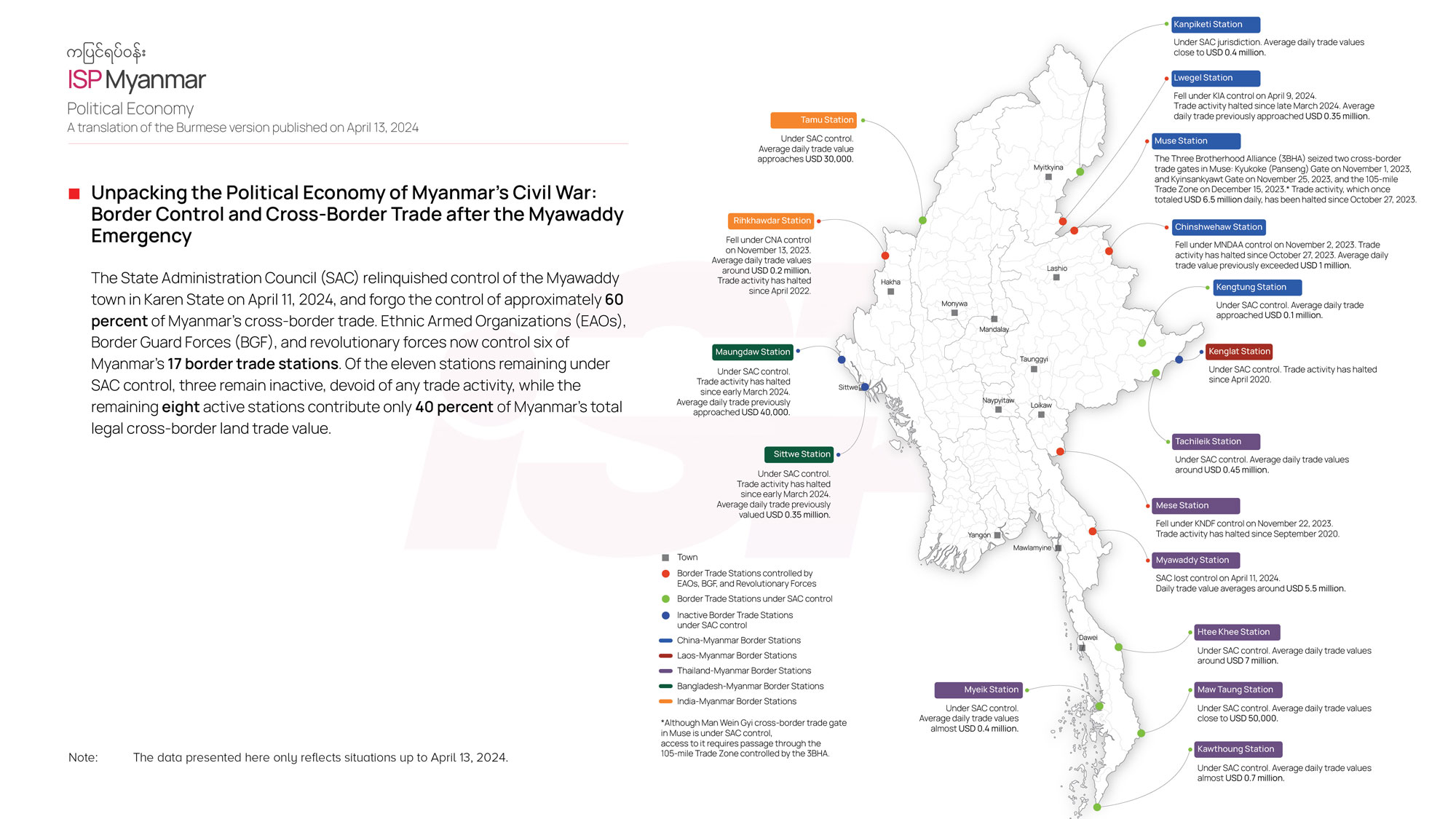
The discrepancy in reported trade values between Myanmar and China has exceeded USD 63 billion over the past eight fiscal years, with over USD 45 billion emerging after the 2021 military coup. This widening gap is likely driven by post-coup factors, such as surging rare earth exports to China, expanding territorial control by armed groups along the border, and the growth of the illicit economy.